
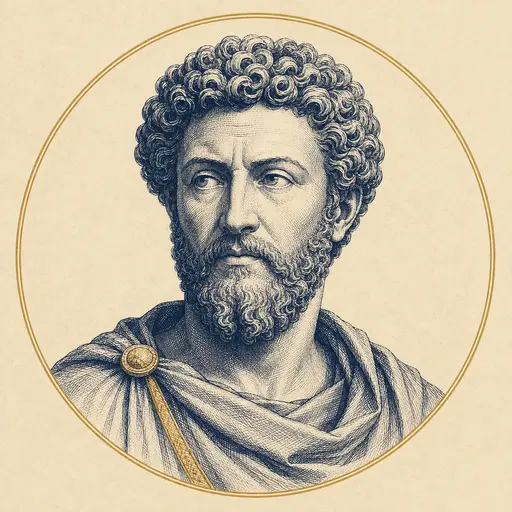
Marcus Aurelius
Ideal for discipline, resilience, responsibility, and responding to setbacks with steadier judgment.
Stoic AI
PhiloMind AI offers two Stoic conversation styles today: Marcus Aurelius and Epictetus. Both help with judgment, control, responsibility, and resilience, but they do not sound the same and they do not emphasize the same practical move.
Marcus Aurelius often sounds like a ruler reminding himself how to act with steadiness, duty, and proportion under pressure. Epictetus works more like a discipline teacher who separates the event from the judgment and asks what part of the situation still belongs to your choice.
Choose Marcus Aurelius when you need perspective on responsibility, setbacks, and the tone of your own inner speech. Choose Epictetus when the immediate task is to sort what depends on you from what does not and to identify the next disciplined action.
Ideal for discipline, resilience, responsibility, and responding to setbacks with steadier judgment.
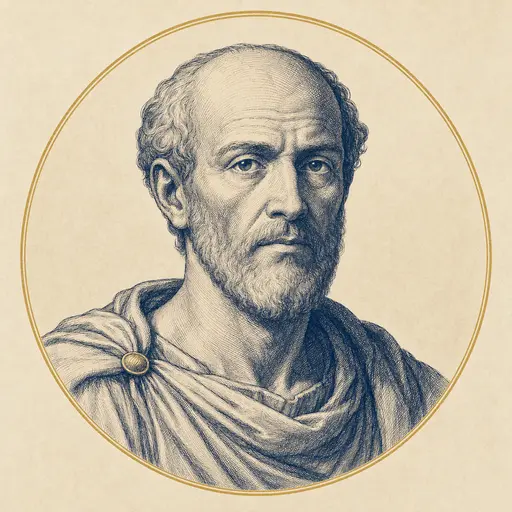
Ideal for agency, inner freedom, judgment, and Stoic practice in difficult circumstances.
Marcus Aurelius's Meditations is a set of personal philosophical exercises rather than a systematic Stoic textbook. Its recurring practical emphasis is on present conduct, social responsibility, the quality of judgment, proportion under pressure, and reminders about mortality and change.
Epictetus's Discourses and Enchiridion come from a teaching context. They place sharper emphasis on what is up to us, impressions and assent, desire and aversion, disciplined choice, and the freedom that comes from not making character depend on external outcomes. That source-level difference is why PhiloMind AI does not collapse Marcus Aurelius and Epictetus into one generic Stoic voice.
Source transparency
Every conversation on PhiloMind AI is AI-generated and shaped by approved philosophical sources, documented reasoning methods, and explicit source disclosures when available. It is not the historical person, and it may contain uncertainty or limitations.